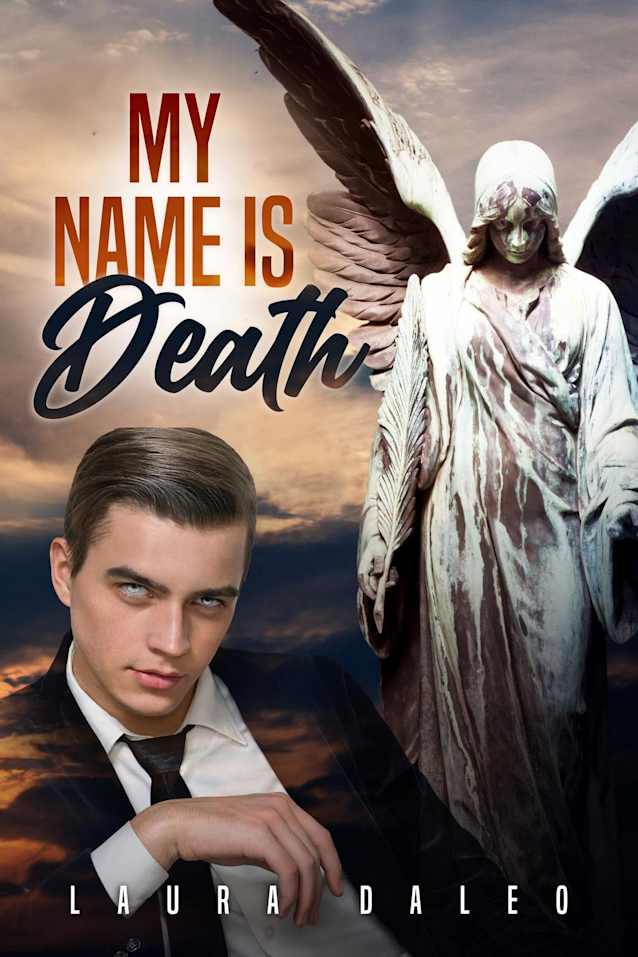
My Name Is Death
About
Death is an enchanting and witty immortal being who prefers Italian suits and savors Americano coffee. The traditional scythe and robes are far removed from his style. Instead of reaping souls with a weapon, he guides them into the afterlife through meaningful gestures. This dynamic takes a profound turn when Death meets Annalise, a teenager facing the harsh realities of a terminal illness and the fleeting nature of her time on Earth.
Trailer
Praise for this book
When I first picked up Laura Daleo's "My Name Is Death," I expected another typical reimagining of the Grim Reaper trope. Instead, I discovered a masterfully crafted narrative that breathes extraordinary life into humanity's oldest certainty. From the opening pages, I was captivated by how Daleo completely revolutionizes the traditional imagery we associate with Death. Gone are the tattered robes and bone-chilling scythe; instead, we meet a sophisticated, charming entity who appreciates the finer things: Armani suits, perfectly knotted ties, and shoes polished to mirror perfection.
The story unfolds in New Orleans, a city already steeped in mysticism and mortality, making it the absolutely perfect backdrop for this remarkable tale. As I read about Death's encounter with Annalise, a terminally ill young woman, I found myself deeply moved by their developing friendship. What struck me most profoundly was how Daleo brilliantly managed to make Death genuinely likable while maintaining the full gravity of his role. His voice carries an unexpected warmth, peppered with delightful dry humor that made me chuckle even as profound themes emerged.
Reading about Annalise's struggle with her illness felt incredibly authentic and touching. Her fierce determination to escape her medical captors for one day of freedom resonated powerfully with anyone who has ever yearned for autonomy. The scenes of her and Death exploring the French Quarter together were absolutely beautiful. I could vividly feel the humid New Orleans air and hear the enchanting jazz melodies as they shared moments of pure joy. When Death temporarily relieves her pain, allowing her to experience life without suffering, I felt an overwhelming surge of hope and wonder.
The transformation of Death's character throughout the story fascinated me completely. Initially presented as confident and controlled, his devastation after losing Annalise revealed stunning vulnerability that made him utterly compelling. I found myself completely invested in his emotional journey, particularly when he locks himself away to grieve. This portrayal brilliantly challenged my preconceptions about mythological figures, making Death surprisingly relatable despite his divine nature.
Annalise's triumphant return as an angel provided both tremendous joy and beautiful complexity to the narrative. Her decision to lovingly rename Death as "Clay" symbolized not just their relationship's evolution, but his own magnificent transformation from a distant executor of fate to someone capable of profound love and growth. Their year of domestic bliss felt wonderfully earned after the emotional intensity of their initial meeting.
The introduction of Domiel and the brewing celestial conflict elevated the story to extraordinary heights beyond simple romance. I was thoroughly impressed by how Daleo seamlessly weaved fascinating theological questions about angelic hierarchy and divine will into the deeply personal narrative. The compelling tension between God's vision of peaceful coexistence and the opposing faction's belief in angelic superiority added rich layers of complexity that kept me completely engrossed.
Daleo's writing style impressed me immensely with its perfect balance of accessibility and profound depth. She masterfully tackles weighty themes about mortality, love, and divine purpose while maintaining an engaging conversational tone that never feels overwhelming. The pacing felt absolutely natural, allowing beautiful quiet character moments to breathe while expertly building toward dramatic revelations.
What impressed me most about "My Name Is Death" was its remarkable ability to make me reconsider fundamental concepts about mortality and divine purpose. By the final pages, I found myself viewing death not as an ending to be feared, but as a meaningful transition overseen by someone who genuinely cares about human experience. This profound perspective shift lingered beautifully long after I finished reading.
The theological depth of the story particularly resonated with me. Daleo expertly explores questions about divine hierarchy, free will, and the nature of love between celestial and mortal beings. The brewing conflict between different angelic factions adds layers of intrigue that kept me eagerly turning pages, while the romantic elements never overshadow the deeper philosophical questions at play.
The character development throughout the book is exceptional. Both Death and Annalise grow in meaningful ways that feel organic and emotionally satisfying. Their relationship evolves naturally from strangers to friends to something deeper, and I found myself genuinely invested in their happiness and growth.
Laura Daleo has crafted an absolutely outstanding entry in the paranormal fantasy genre that succeeds magnificently both as a love story and as a profound meditation on what it means to live meaningfully. This book offers tremendous substance alongside its supernatural elements, creating a reading experience that is both entertaining and deeply thought-provoking.
"My Name Is Death" reminded me powerfully why the best fantasy stories work so well: they use extraordinary circumstances to illuminate fundamental truths about human nature. In Death's journey from distant executor to loving companion, we witness our own remarkable capacity for growth and connection, even in the face of life's ultimate certainty. This is a book that will stay with me for a very long time, and I cannot recommend it highly enough.